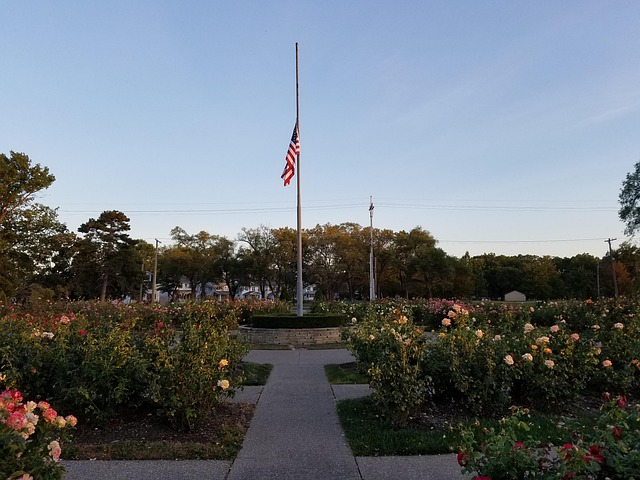
Weathered American Flag Naturally: A blend of art and history, these aged flags transform spaces with unique textures and colors achieved through specialized natural aging processes. High-quality fabrics and meticulous techniques preserve historical accuracy while enhancing aesthetic appeal. Display cases showcase their beauty, connecting viewers to the past. Restoring these flags requires balance, transparency, and collaboration for ethical preservation, catering to enthusiasts seeking meaningful Americana.
The weathered American flag, a symbol laden with history and emotion, has garnered renewed interest as an art form. Its unique aesthetic, achieved through natural aging processes, offers a compelling contrast to the vibrant colors of its original state. However, the challenges in preserving these flags while enhancing their artistic value remain significant. This article delves into the intricacies of antiqued flag art, exploring both the problems and solutions within this specialized field. By examining techniques that bring out the natural beauty of aged flags, we aim to provide a comprehensive guide for artists and enthusiasts alike, ensuring the preservation and appreciation of these cherished historical pieces.
- Understanding Antiqued Flag Art: Techniques and History
- The Allure of Weathered American Flag Naturally
- Materials and Tools for Creating Vintage Flags
- Authentic Looking Fading: Staging the Right Decay
- Legal and Ethical Considerations in Flag Art Restoration
Understanding Antiqued Flag Art: Techniques and History
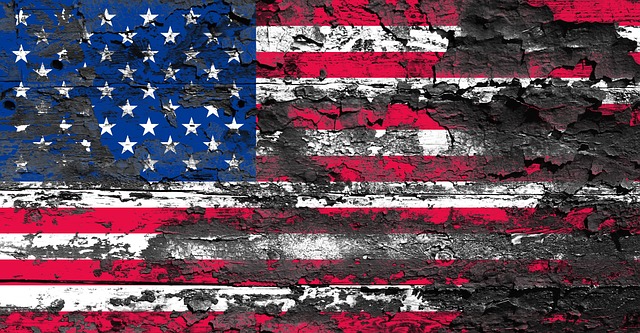
Antiqued flag art, with its weathered American flags naturally aged to perfection, has emerged as a captivating form of artistic expression, blending history and aesthetics. This unique style involves the recreation of vintage flags, transforming them into stunning pieces that tell tales from bygone eras. The process behind these creations is an intricate dance between preserving the past and crafting art that evokes nostalgia.
The techniques employed in antiqued flag art are as diverse as the historical periods they aim to emulate. One prevalent method involves immersing real American flags in specialized solutions to accelerate natural aging, a process often enhanced by exposure to elements like sunlight and moisture. This careful manipulation results in a range of effects, from subtle fading to dramatic discoloration, each adding character to the final piece. For instance, a recreated vintage flag may showcase faded stripes, with the blue field taking on a muted, aged appearance, providing viewers with a tangible connection to history.
Weathered banner art finds its place not only in homes and galleries but also in aged display cases, creating micro-environments that house these time-honored treasures. These display cases, carefully designed to mimic historical settings, can range from rustic wooden crates to ornate glass cabinets. They serve as stages where the flags become the protagonists, allowing viewers to appreciate their intricate details up close. For art enthusiasts and history buffs alike, owning a recreated vintage flag or an aged display case becomes a way to engage with the past, preserving moments in time for future generations to admire.
The Allure of Weathered American Flag Naturally

The allure of weathered American flag art lies in its ability to transform a symbol of national pride into a captivating piece of rustic decor. Nature's artistry, through elements like sun exposure, wind, and rain, can create striking textures and hues on canvas or fabric, reminiscent of a vintage photograph. This natural weathering process endows the flag with a unique character, transforming it from a vibrant emblem to a time-honored artifact. For instance, a carefully aged American flag, hung in a breezy setting, becomes a focal point that tells stories of the past while evoking a sense of nostalgia for generations gone by.
When exploring this art form, consider seeking out top stores like Ultimate Flags online or physical locations. They offer not just flags but also expertise in creating weathered flag art. Whether you're interested in custom designs or ready-made pieces, these establishments can provide high-quality options suitable for indoor display or outdoor settings. The process of weathering a flag naturally requires patience and precision, from selecting the right fabric to applying specialized treatments that mimic time's passage without compromising integrity.
Places like Ultimate Flags understand the allure of aged flag art and cater to enthusiasts looking to blend history with aesthetics. They offer guidance on caring for these pieces, ensuring their longevity while preserving their distinctive charm. Incorporating a naturally weathered American flag into your decor can be a powerful statement, turning ordinary spaces into galleries of Americana and reflecting a deep connection to both the past and the present.
Materials and Tools for Creating Vintage Flags
Creating vintage flags, with their weathered American flag naturally aged appearance, involves a blend of artistry and historical accuracy. Achieving this distinctive look requires specific materials and tools tailored to mimic the passage of time. The process begins with selecting high-quality fabrics, such as cotton or linen, that can withstand the distressing techniques while retaining their strength. Natural fibers are ideal for mimicking the aged texture of historical flags, enhancing the authenticity of your final piece.
Distressing techniques form a crucial part of the crafting process. Tools like sandpaper in various grits, paintbrushes, and distressed dyes play a pivotal role in achieving the desired effects. Sandpaper is employed to wear away layers of fabric, creating frayed edges and pinholes that evoke age. Paintbrushes facilitate the application of faded colors, while distressed dyes add depth and richness to the fabric's tone. Online shops like Ultimate Flags offer a range of historic flag reproductions, providing both inspiration and guidance for enthusiasts looking to embark on their own vintage flag art journey.
The art of antiquing flags is not merely about replication; it's a form of storytelling. Consider incorporating elements that reflect specific periods or events, such as the faded hues of a World War II-era banner or the worn edges of a Civil War memorial. This level of detail enriches the piece's narrative, transforming a simple flag into a meaningful historical artifact. Whether aiming for personal collection or public display, investing in quality materials and tools ensures your vintage flags not only look authentic but also withstand the test of time, just like their historic counterparts.
Authentic Looking Fading: Staging the Right Decay
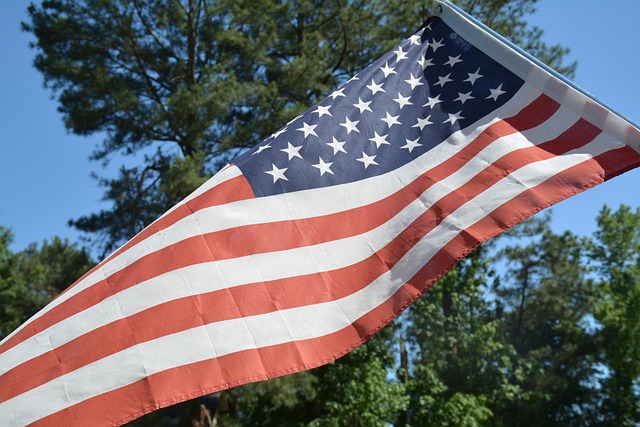
Creating an authentic, historically accurate display of antiqued flag art requires a delicate balance between preserving the past and allowing it to age gracefully. One key element in this process is mimicking the natural weathering of a used American flag over time. This involves carefully staging decay to achieve a realistic, aged appearance without compromising the integrity of the fabric.
The weather-worn American flag, when incorporated into artistic displays, becomes a powerful symbol of history and heritage. To accomplish this effect, restorers employ various flag restoration techniques that simulate the passage of time. Natural fading is achieved through specialized treatments that expose the flag to controlled light and environmental conditions, replicating years of sun exposure. This process, while meticulous, ensures that the colors remain vibrant yet gradually dim, reflecting the natural deterioration of fabric over time.
For historic flag displays, whether in museums or private collections, achieving an authentic weathered look is essential for maintaining the artistic integrity of the piece. By carefully selecting and applying these restoration techniques, conservators can bring old flags back to life while preserving their historical significance. For example, a faded American flag from a bygone era can serve as a poignant reminder of past conflicts or national milestones, adding depth and context to any collection or exhibition.
In the realm of flag art, understanding how fabric degrades naturally guides restorers in their efforts to preserve history. By imitating these processes, they ensure that each restored piece not only looks the part but also tells a story of its own, becoming a cherished artifact for generations to come. This attention to detail allows the flags to remain faithful representations of their historical counterparts while inviting viewers to appreciate the beauty of decay and the richness of our nation's past.
Legal and Ethical Considerations in Flag Art Restoration
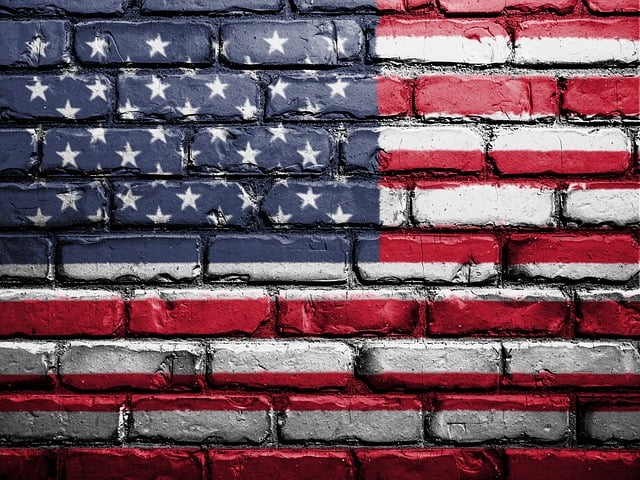
The art of restoring antiqued flag art, particularly the weathered American Flag, involves a delicate balance between preserving history and respecting cultural sensitivity. As old glory restoration gains popularity in memorials and decorative pieces, it's crucial to consider both legal and ethical dimensions. One notable trend is the creation of distressed flag memorials, which pay tribute to past events or honor veterans. Online flag retailers like Ultimate Flags cater to this niche market, offering a range of vintage-inspired products. However, not all restoration methods are equal; some practices can devalue historical significance or even lead to cultural appropriation.
Legal considerations in flag art restoration include intellectual property rights and historical preservation laws. Using original flags or their images without proper authorization can be a copyright infringement issue. Moreover, altering historic flags must adhere to guidelines set by cultural heritage organizations to avoid damaging their cultural value. For instance, the Smithsonian Institution provides extensive resources on preserving historical textiles, including flags. Ethical concerns center around respecting the cultural and emotional significance of flags, especially when they represent pivotal moments in history or are associated with specific communities.
Restorers must ensure transparency about restoration methods and materials used to avoid misleading consumers. Using natural aging techniques, such as sunlight exposure and gentle washing, can help replicate the effects of time without damaging the fabric. Online retailers like Ultimate Flags should clearly communicate their restoration processes to build trust among customers. Additionally, collaborating with historians or cultural experts can provide valuable insights into the historical context, ensuring the integrity of restored flags. Regular audits of restoration practices by industry peers and external experts are recommended to maintain high standards.
Antiqued flag art, particularly the weathered American flag naturally, combines history, artistry, and careful restoration techniques. By understanding the unique techniques behind antiquing, from staging decay to choosing authentic materials, artists can breathe new life into worn flags while respecting their heritage. The article highlights legal and ethical considerations crucial for preserving these cultural artifacts. Armed with this knowledge, enthusiasts and professionals alike can confidently embark on creating and restoring vintage flags, ensuring these timeless symbols remain a testament to our past and a vibrant part of our artistic present.