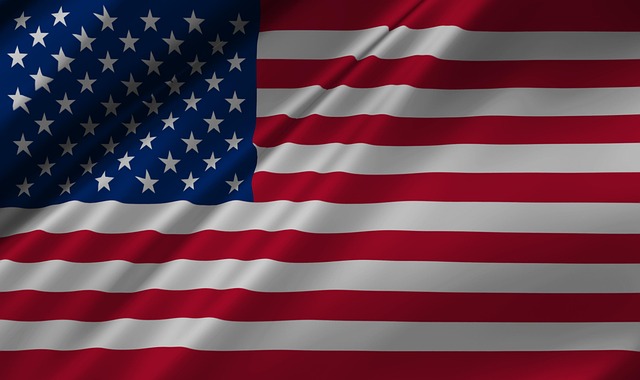
Vintage flags, with their weathered American flag aesthetic, hold cultural value by reflecting national identity and history. Skilled artisans recreate them for display in homes, historical sites, parades, and museums. Restoring these flags involves meticulous care, using appropriate materials to preserve age and authenticity. Proper framing, regular cleaning, and controlled storage slow weathering. These techniques ensure historical integrity while preserving the flag's narrative. The weathered American flag naturally enhances settings, fostering national pride and heritage.
The weathered American flag, a symbol of our nation's history, has long captivated collectors and enthusiasts alike. However, the delicate process of restoring these vintage treasures presents a unique challenge. Time and environmental factors contribute to their deterioration, making each flag a testament to the passage of years. This article delves into the intricate art of reviving these historical artifacts, offering a comprehensive guide to preserving their integrity. We explore natural methods for restoration, ensuring these flags stand as proud symbols of our heritage for generations to come.
- Understanding Vintage Flags: History and Significance
- The Art of Restoration: Step-by-Step Guide
- Choosing Materials: Weathered American Flag Naturally
- Displaying Your Treasure: Framing and Preservation Tips
Understanding Vintage Flags: History and Significance
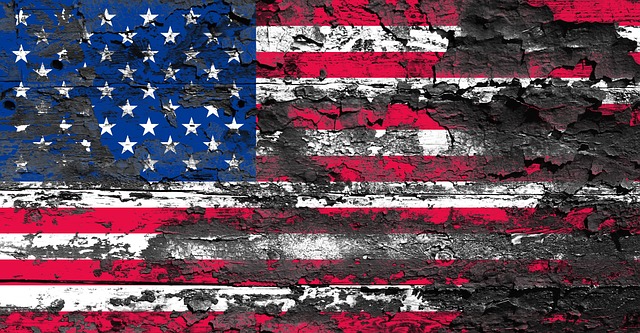
Vintage flags, with their weathered American flag appearance, are more than just nostalgic relics; they encapsulate a rich historical narrative. These time-honored banners hold significant cultural value, reflecting the evolution of national identity and military history. Understanding their significance involves delving into the eras they represent, the events they commemorate, and the stories they silently tell. Each faded stripe and tattered star offers a glimpse into the past, making vintage flags valuable artifacts that transcend mere decoration.
The appeal of restored vintage flags lies in their ability to blend seamlessly with rustic flag displays and outdoor décor. Their natural weathered look, achieved through meticulous recreation, lends itself beautifully to country homes, historical sites, and patriotic events. For instance, a recreated vintage flag can be a centerpiece on a porch, evoking feelings of nostalgia for those who served or a deep appreciation for the nation's heritage. This art form extends beyond simple replication; skilled artisans carefully study original flags from different eras, ensuring authenticity in every stitch and fabric choice.
When displaying these restored treasures, consider their context. A weathered American flag naturally fits within a gallery showcasing historical artifacts or a museum dedicated to military history. It can also serve as a striking focal point in a patriotic parade or a memorial service, where its presence evokes a sense of respect and remembrance. For collectors and enthusiasts, acquiring rare vintage flags is more than a hobby; it's a way to preserve history and contribute to the ongoing narrative of national pride and heritage.
The Art of Restoration: Step-by-Step Guide
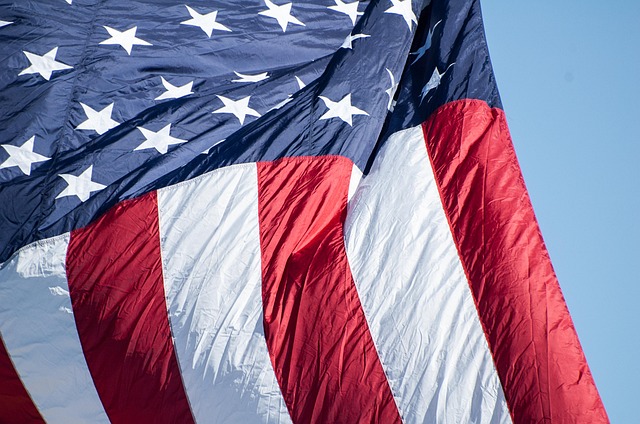
Restoring a vintage flag is an art that involves meticulous attention to detail, allowing these cherished artifacts to regain their former glory while preserving history. When tackling the task of restoring a weathered American flag, it's crucial to understand the unique challenges presented by its age and previous conditions. This step-by-step guide aims to empower enthusiasts and collectors with the knowledge to approach this intricate process effectively.
Assessment: Begin by thoroughly examining the flag. Note any tears, frayed edges, or missing parts. Determine if the fabric is stable enough for handling. For a distressed American flag wall art piece, consider the overall aesthetic you wish to achieve—is it intended to showcase its aged beauty or require a more substantial restoration? This initial assessment guides the subsequent steps, ensuring the process aligns with your desired outcome.
Cleaning: The first step in any restoration project is gentle cleaning. Use a soft brush to remove dust and loose dirt particles. For flags that have been outdoors, be cautious of using water as it may affect the fabric's integrity. Instead, consider a mild detergent or a specialized flag cleaning solution. Place the flag in a safe area, ensuring proper ventilation during the cleaning process. This meticulous approach ensures the preservation of any original markings or designs while removing excessive grime.
Repair and Reinforcements: After cleaning, identify areas requiring repair. Small tears can be mended with fine-weave fabric and a suitable adhesive. When working with vintage American flag decor, it's essential to match the fabric's age and style accurately. For larger damages, consider using a patch or a piece of matching fabric, ensuring it blends seamlessly with the existing design. Reinforce fragile areas with subtle, discreet stitching for added stability. This step is crucial in preventing further deterioration.
Choosing Materials: Weathered American Flag Naturally

When striving to restore a vintage flag, particularly an American flag, one of the most critical decisions you'll make is choosing the right materials. Among the various options available, allowing the flag to age naturally offers a unique and authentic approach that preserves its historical character. This method involves selecting fabrics and textures that can withstand time, elements, and careful handling. Online flag retailers like Ultimate Flags offer a range of products catering to those seeking American flag antiques and vintage decor.
Weathered flags, when crafted with care, become beautiful testaments to history. Natural aging enhances the flag's character, revealing its story over years of use. For instance, cotton and linen are popular choices due to their durability and capacity to develop a patina that adds depth and charm. These materials can be found in various shades, from rich reds and blues to softer hues, each contributing to the flag's unique appearance. Moreover, some flags incorporate elements like faded ink or intentionally worn edges, replicating the look of flags used decades ago.
A key consideration is the flag's intended display location. If it will be indoors, materials must resist fading and deterioration from UV light exposure. Conversely, outdoor flags demand sturdier fabrics capable of withstanding weather conditions. American flag antiques designed for indoor display often feature intricate embroidery or applique techniques that enhance their aesthetic appeal while ensuring longevity. For outdoor use, consider treated nylon or polyester fabrics, which are lightweight yet resilient against wind and rain. This attention to material selection ensures the flag not only looks authentic but also lasts for years to come, adding a touch of vintage charm to any space or setting.
Displaying Your Treasure: Framing and Preservation Tips

Restoring and displaying a vintage flag, especially an antiqued American flag, is a labor of love that involves careful preservation techniques to ensure its historical integrity and aesthetic appeal. When showcasing these treasured items, proper framing and conservation methods are essential to protect against further deterioration and enhance their beauty. This is particularly true for weathered American flags, which often carry profound personal or historical significance.
One of the primary considerations in displaying a restored flag is choosing an appropriate frame that complements its aged appearance while providing adequate support. Mat boards with neutral colors and acid-free papers are recommended to prevent any damage from occurring due to chemical reactions. Additionally, using high-quality, archival-grade materials ensures the longevity of the display, keeping the flag safe from environmental elements like moisture and excessive light exposure—all of which can accelerate the aging process. Websites similar to Ultimate Flags offer a range of framing options tailored for vintage flags, making it easier than ever to find the perfect home for your Old Glory restoration.
Regular cleaning and maintenance are vital to preserving the condition of an antiqued American flag. While gentle dusting is suitable for surface debris, more thorough cleaning requires specialized techniques. Using distilled water with mild detergent or natural oils like lanolin can help remove stubborn stains without damaging the fabric. After cleaning, ensure the flag is thoroughly dried before framing to prevent warping or mold growth. It's also advisable to store and display these flags in areas with controlled temperature and humidity levels to slow down the natural weathering process.
By following these preservation tips, you'll not only maintain the integrity of your restored vintage flag but also preserve its historical narrative—a testament to the past that continues to inspire and captivate future generations.
By following the comprehensive guide outlined in this article, you now possess the knowledge to restore vintage flags, particularly the weathered American flag naturally. Understanding the historical significance of these artifacts has been paired with practical step-by-step restoration techniques, ensuring your treasured items are accurately preserved. When selecting materials, opt for natural elements that complement the flag's aged appeal. Displaying your restored flag involves thoughtful framing and preservation tips to showcase its beauty while safeguarding it for future generations. This authoritative article serves as a valuable resource, empowering readers to appreciate and preserve vintage flags with expertise.