Restored weathered American flags are cultural artifacts requiring meticulous conservation. The process involves advanced techniques like reverse painting for accuracy. Institutions prioritize preservation, educating on history and craftsmanship. Authentication demands keen observation of natural aging details. Proper display and care ensure longevity, preserving history and value for future generations.
Restored flag collectibles have gained significant prominence as enthusiasts and historians alike appreciate the historical value and aesthetic allure of these vintage artifacts. The weathered American flag, naturally aged by time and elements, holds a unique place in this realm. However, identifying authentic restored flags amidst fakes or improperly preserved pieces can be challenging. This article delves into the intricacies of restoring these flags, exploring techniques that preserve their original integrity while enhancing their visual appeal. By providing insights into best practices and expert advice, we aim to empower collectors and enthusiasts with the knowledge needed to navigate this fascinating hobby effectively.
- Understanding Restored Flag Collectibles: A Historical Perspective
- The Art of Conserving Weathered American Flags Naturally
- Authenticating Vintage Flag Collectibles: Tips for Expert Buyers
- Displaying and Caring for Your Restored Flag Heritage
Understanding Restored Flag Collectibles: A Historical Perspective
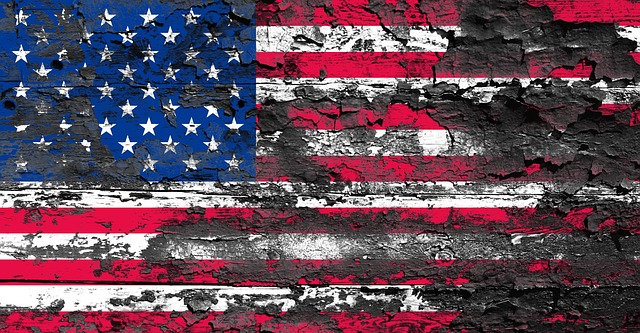
Restored flag collectibles offer a unique glimpse into our nation's history, with each faded stripe and star telling a story of change and continuity. The process of restoration is an art in itself, meticulously preserving these aged flag souvenirs from the past. When we talk about weathered American flags, it's essential to understand that these are not just items for display but cultural artifacts with deep significance. Places like Ultimate Flags have recognized this value and dedicated themselves to conserving history through flag conservation projects.
The journey of a restored flag is often one of discovery and transformation. Many ancient flags, once displayed proudly in places of honor, become fragile testaments to the passage of time. Through careful assessment, professionals determine the best course of action, whether it's a simple cleaning or a full restoration. The latter involves meticulous techniques, such as reverse painting, where artists recreate the original design on a new canvas, layer by layer. This process ensures that every detail, from the sun-faded colors to the intricate stitching, is accurately replicated.
Consider an aged flag souvenir from a historical battle, its fabric holding memories of valour and sacrifice. Professionals at such institutions as Ultimate Flags employ specialized methods to restore these treasures, ensuring their longevity for future generations. This conservation effort not only preserves physical remnants of our past but also creates opportunities for education and reflection. By delving into the world of restored flag collectibles, we gain a deeper appreciation for the history they represent and the skilled craftsmanship involved in keeping them intact.
The Art of Conserving Weathered American Flags Naturally
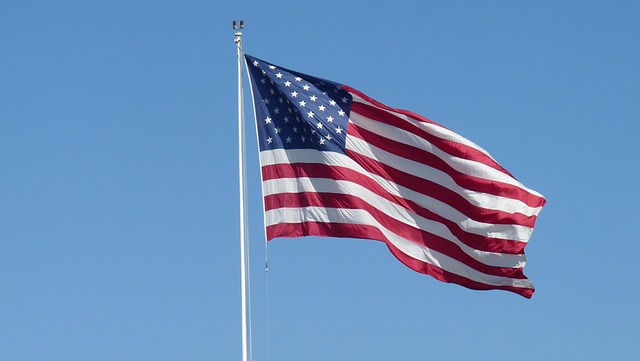
The art of conserving weathered American flags naturally is a nuanced and meticulous process that requires an understanding of both the historical significance and material properties of these cherished collectibles. As vintage flag decorations gain popularity, collectors and enthusiasts are increasingly drawn to aged flag prints, seeking to preserve their patriotic allure while integrating them into modern settings. This approach not only honors our nation's history but also transforms weathered American flags into captivating pieces of art that can be displayed in homes, museums, or public spaces.
The first step in conserving a weathered American flag naturally involves assessing its condition. The process differs significantly for flags with minimal wear and those that have endured extreme elements over extended periods. For lightly worn flags, a gentle cleaning with mild soap and water, followed by air-drying, can restore their original vibrancy. However, for heavily aged flags, techniques such as deacidification and controlled humidity are often necessary to prevent further deterioration. These methods help in mitigating the effects of acid migration, which can cause paper to weaken and yellow over time.
One innovative approach to preserving vintage flag collections involves using natural materials and environmentally friendly practices. For instance, some conservators employ plant-based oils like linseed oil to nourish and protect the flag's fibers. This technique not only enhances its aesthetic appeal but also creates a protective barrier against environmental contaminants. Additionally, framing these aged flags in archival quality materials ensures their longevity while allowing them to remain accessible for viewing and appreciation. By integrating patriotism weathered art into our living spaces, we not only celebrate our heritage but also contribute to the preservation of tangible pieces of history.
Authenticating Vintage Flag Collectibles: Tips for Expert Buyers

Authenticating vintage flag collectibles requires a keen eye for detail and an understanding of the nuances that distinguish genuine, aged pieces from clever replicas. One distinct feature to look for in weathered American flags is the natural distressing, achieved through various flag restoration techniques. Expert buyers know that authentic flags often display faded colors, frayed edges, and subtle stains, all signs of their history and environmental exposure. This process, while mimicking age, must be carefully controlled to avoid damage or artificial alterations.
Sites like Ultimate Flags have become valuable resources for collectors, offering a curated selection of restored flags alongside educational content on flag restoration. They employ skilled artisans who utilize traditional methods, such as hand-staining and fabric manipulation, to recreate the look of aged flags without compromising integrity. Distressed flag photography is an essential tool in this process, allowing restorers to capture subtle details and ensure accuracy in replication.
When evaluating a restored flag, consider the following: check for consistent material quality throughout; examine the stitching for signs of age-appropriate wear; and study the overall composition to ensure it aligns with historical records. Reputable sources like Ultimate Flags often provide detailed descriptions and provenance information, adding value to the buying experience and ensuring collectors acquire genuine, carefully restored collectibles. This meticulous approach not only preserves history but also ensures that future generations can appreciate these tangible links to our past.
Displaying and Caring for Your Restored Flag Heritage

Displaying a restored flag collectible is more than just showcasing a piece of fabric; it's preserving a fragment of history and paying tribute to the past. These carefully recreated historic flags, often based on vintage styles or original artifacts, hold immense value for collectors and enthusiasts alike. When you've invested in a weathered American flag that has been expertly restored, proper care ensures its longevity and maintains its aesthetic appeal.
Antique flags, due to their age and fragility, require special handling. Restored historic flag reproductions, while meticulously crafted, still bear the traces of time, giving them a unique character. The process of natural weathering—a key aspect in creating authentic-looking vintage flags—involves controlled exposure to elements like sun, wind, and even subtle aging techniques. This meticulous craftsmanship can make these flags highly collectible, with values that vary based on rarity, condition, and historical significance.
Caring for your restored flag involves a combination of common sense and specific practices. Regularly inspect it for any signs of damage or wear. Store flags in cool, dry conditions to prevent fading and degradation. When displaying indoors, use appropriate frames or displays that protect against direct sunlight. For outdoor exhibits, consider weatherproof materials and periodic cleaning to maintain their integrity. Embracing these practices not only ensures the flag's longevity but also allows future generations to appreciate its historical value and beauty.
Restored flag collectibles offer a unique window into our nation's history, preserving the dignity of weathered American flags naturally over time. By understanding the historical context, employing expert conservation techniques for natural weatherproofing, and mastering authentication processes, collectors can ensure these relics maintain their integrity. The article has provided invaluable insights on caring for and displaying these cherished items, underscoring the importance of both preservation and aesthetic presentation. Moving forward, enthusiasts are encouraged to delve into these practices, fostering a deeper appreciation for the rich tapestry of American history that these collectibles represent.