The pursuit of authentic, aged American flags involves a delicate balance between preservation and restoration. These weathered flags, naturally aged over time, hold immense historical value. Key preservation steps include meticulous cleaning, air-drying, and secure storage to prevent damage. Authentication is crucial, using forensic science and historical research to verify their age and provenance. Ethical acquisition from reputable retailers ensures the sustainability of this market while honoring cultural heritage. Proper care and responsible restoration techniques safeguard these artifacts for future generations.
Flags, symbols of nations and their stories, hold immense historical value. Among them, authentic old flags, especially the weathered American flag naturally aged over time, offer a unique glimpse into our past. However, distinguishing genuine vintage flags from modern reproductions can be challenging, with many fakes infiltrating the market. This article delves into the intricate process of authenticating these historical artifacts, providing collectors and history enthusiasts with a comprehensive guide to ensure they acquire genuine old flags. By exploring various authentication methods and understanding the nuances of aged fabric, we aim to empower individuals to make informed decisions and preserve the integrity of our nation's symbolic heritage.
- Understanding Authentic Old Flags: Historical Significance
- The Art of Preservation: Conserving Weathered American Flag Naturally
- Uncovering Their Stories: Researching Flag Origins
- Physical Examination: Identifying Authenticity Through Materials
- Forensics and Science: Advanced Techniques for Verification
- Ethical Considerations: Protecting Cultural Heritage
Understanding Authentic Old Flags: Historical Significance
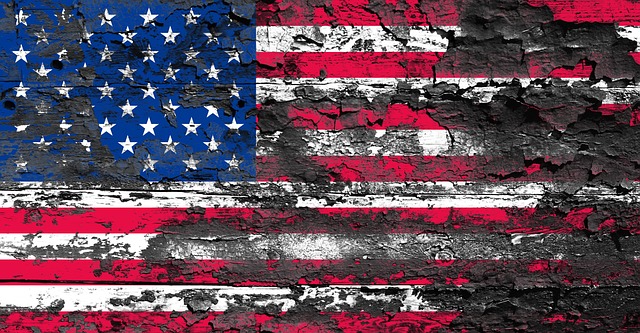
The pursuit of authentic old flags goes beyond mere decoration; it is a voyage into history, a tangible connection to our nation's past. Each vintage flag tells a story, reflecting pivotal moments in American history. These weathered American flags, naturally aged over time, serve as enduring testaments to our country's heritage and the struggles that shaped its identity.
When exploring antique flags, one must consider the delicate balance between preservation and restoration. While some enthusiasts embrace the beauty of a flag's natural aging, others advocate for meticulous restoration to return them to their former glory. For instance, a vintage flag decoration featuring intricate embroidery or original ink printing can be a collector's dream, but it requires careful handling to avoid irreparable damage. The art of old glory restoration involves skilled restorers who use traditional techniques to revive faded colors and mend torn fabrics, ensuring these historical artifacts remain accessible for future generations.
The market for antique flags is diverse, catering to both collectors and history enthusiasts. These flags can range from rare Civil War banners to World War II-era flags, each carrying immense sentimental value. Collecting and preserving such items not only serves as a hobby but also contributes to a living historical record. For example, an antique flag collection might include a faded "Star-Spangled Banner," inspiring conversations about the fight for independence and the values it represents. This practice encourages a deeper appreciation for history, fostering a connection between past and present.
To ensure the authenticity and integrity of old flags, whether in personal collections or public displays, experts recommend proper care and storage. This includes using breathable materials to store them, avoiding direct sunlight, and occasionally cleaning them with mild, pH-neutral solutions. By following these guidelines, collectors can preserve the historical significance and aesthetic allure of vintage flag decorations, ensuring they remain meaningful treasures for years to come.
The Art of Preservation: Conserving Weathered American Flag Naturally
The art of preserving aged flags is a delicate process that demands meticulous care to ensure their historical integrity remains intact. When it comes to weathered American flags, natural conservation methods are paramount to maintaining their authenticity. This involves a deep understanding of the materials and unique challenges posed by time's passage. One of the primary considerations is the flag's fabric; cotton and linen, common in vintage flags, can deteriorate quickly when exposed to varying weather conditions.
A successful preservation strategy often begins with meticulous cleaning to remove dirt, dust, and debris that may have accumulated over the years. This step requires a soft brush or gentle vacuum to avoid further damage. For heavily soiled flags, mild soap solutions specifically designed for fabric cleaning can be employed, ensuring no residue is left behind. After cleaning, allowing the flag to air-dry naturally is crucial; this method prevents the growth of mold and ensures the fabric's longevity.
Storing weathered American flags in an aged flag display case or similar protective containers is a practical step recommended by conservation experts. These cases are designed to mimic the natural aging process, providing a controlled environment that slows down deterioration. Online stores like Ultimate Flags offer a range of high-quality display cases tailored for vintage flags, ensuring they remain in their authentic state for generations to come. For instance, some flag enthusiasts opt for UV-protective glass cases, which safeguard against fading caused by sunlight exposure, a common issue with outdoor flags. By choosing reputable online retailers similar to Ultimate Flags, collectors can access top-tier conservation resources and ensure the proper care of their cherished historical artifacts.
Uncovering Their Stories: Researching Flag Origins
Uncovering the stories behind authentic old flags requires a meticulous approach, especially when attempting to restore their original glory. The weathered American flag, naturally aged by time and elements, presents a unique challenge and opportunity for historians, collectors, and enthusiasts. Flag restoration techniques have evolved, allowing us to carefully preserve these historical artifacts while narrating their journeys. One might imagine a faded, distressed flag as a mere relic, but upon closer examination, it can reveal a rich narrative.
Researching flag origins is an intricate process. Historical records, contemporary accounts, and even the flag's design can offer insights into its past. For instance, an antique flag collection housed in a local museum might include documentation detailing its usage during specific military campaigns, providing a tangible connection to history. Distressed flag photography, when done expertly, can capture the intricate details and textures, preserving them for future generations. This artful practice allows us to study and appreciate the craftsmanship and symbolism incorporated into these flags.
Expert flag restorers employ various techniques, from meticulous cleaning and stitching to the careful application of preservation treatments. The goal is to stabilize the fabric while minimizing intervention. For example, a heavily distressed American flag, naturally aged with sun-faded colors and tattered edges, might be restored to reveal its original vibrant hues and intricate embroidery. This process not only ensures the flag's longevity but also allows us to connect with our past, understanding the sacrifices and victories that these flags represent. By combining historical research and advanced restoration methods, we can responsibly preserve these authentic old flags, making them accessible for education, inspiration, and future collections.
Physical Examination: Identifying Authenticity Through Materials
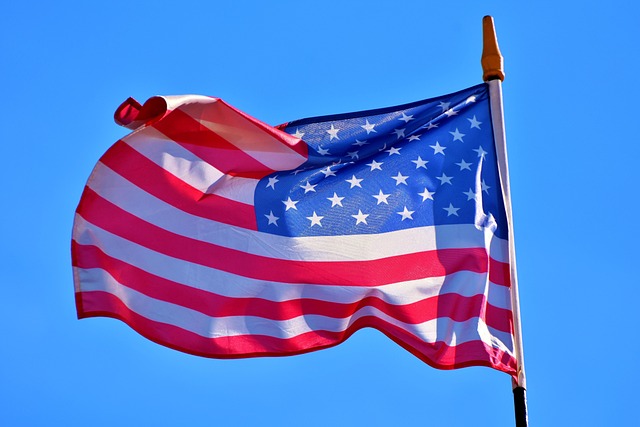
The physical examination of an old flag is a critical step in identifying its authenticity, particularly when assessing a weathered American flag naturally aged over time. This process involves a meticulous inspection of various aspects, from the materials used to the construction techniques employed. Expert flag enthusiasts and conservators employ specific methods to uncover the history and provenance of these artifacts.
One of the key indicators is the fabric's composition. Authentic vintage flags often feature cotton or linen as the primary material, which naturally degrades over decades, leaving distinctive creases and fraying edges. These materials are susceptible to insect damage, sunlight fading, and moisture, all of which contribute to a flag's aged appearance. For instance, a weathered American flag may exhibit a faded red and white pattern, with yellowed seams and frayed corners, all hallmarks of its advanced age. Online stores like Ultimate Flags, which specialize in similar antiques, can provide insights into the expected deterioration patterns for various historical flags.
Furthermore, the construction techniques used in manufacturing these flags offer valuable clues. Early American flags were often sewn by hand, leaving distinctive stitch patterns visible under close inspection. The use of specific dyes and pigments also provides a glimpse into the flag's history. For example, original blue dyes derived from indigo have distinct characteristics that can be differentiated from modern synthetic alternatives. When assessing an antique American flag, looking for these subtle nuances in fabric and construction methods can significantly contribute to its authenticity.
Forensics and Science: Advanced Techniques for Verification
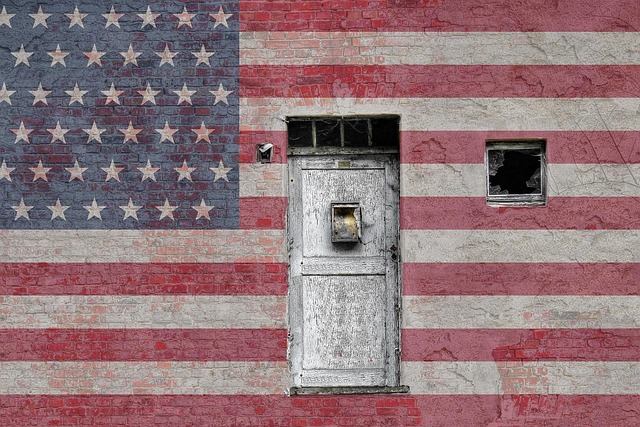
The field of forensics and science plays a pivotal role in authenticating old flags, offering advanced techniques to verify their age and provenance. When it comes to weathered American flags, natural aging processes provide valuable clues for experts. Over time, fabric undergoes transformation; fibers weaken, colors fade, and textures change, all of which can be analyzed scientifically. For instance, a detailed examination of the fabric's structure might reveal distinctive weaves common to specific periods, while advanced imaging techniques can detect subtle variations in thread spacing that indicate age.
Antique flag collection enthusiasts often employ various restoration services to enhance their collections' visual appeal. However, it is crucial to balance preservation with authenticity. Restorations should ideally mimic original techniques to preserve historical integrity. Old flag restoration specialists utilize specialized knowledge and tools to clean, mend, and stabilize faded or damaged flags. For example, a professional restoration process might involve gently removing surface dirt, identifying and patching tears, and re-sealing frail edges to ensure the flag's longevity while minimizing alterations that could impact its historical value.
American flag nostalgia is a powerful force driving the market for antique flags. Collectors seek not just visually striking pieces but also those with verifiable historical significance. Advanced forensics techniques provide a robust framework for assessing and certifying these flags' authenticity. Scientists employ various analytical methods, such as infrared spectroscopy and mass spectrometry, to examine dyes, pigments, and fibers, helping to date the flag's origin precisely. By comparing these findings against historical records and known production methods, experts can verify whether an old flag is a genuine antique or a carefully crafted replica.
Ethical Considerations: Protecting Cultural Heritage
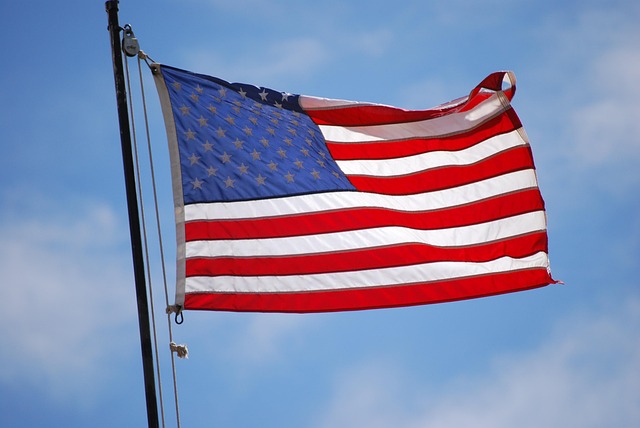
The ethical considerations surrounding authentic old flags, particularly weathered American flags, are of paramount importance when navigating the market for vintage items. As collectors and enthusiasts seek out these historical artifacts, ensuring cultural heritage is preserved becomes a collective responsibility. The surge in popularity of vintage flag prints has led to an emerging market where online flag retailers like Ultimate Flags play a significant role. These businesses cater to folks who appreciate not just the aesthetic appeal but also the rich history embedded in each flag.
When acquiring aged flags, whether through online retailers or specialty stores, it's crucial to verify their authenticity and provenance. Weathered American flags naturally develop unique characteristics over time, including faded colors and worn edges, making them highly desirable for collectors. However, unscrupulous sellers may replicate these effects using artificial aging techniques, potentially damaging the cultural integrity of these artifacts. To mitigate this, buyers should demand detailed descriptions and documentation that outline the flag's history and any restoration efforts undertaken. For instance, a flag that has been carefully restored by professionals can be just as valuable, ensuring its longevity while respecting its historical significance.
Moreover, the ethical acquisition of vintage flags extends beyond individual collectors. Museums and cultural institutions play a vital role in preserving these items for future generations. They employ rigorous standards for authentication and conservation, ensuring that each piece remains an accurate representation of its era. By supporting reputable retailers and organizations committed to ethical practices, flag enthusiasts can contribute to a sustainable market that values cultural heritage above all else. This approach ensures that the rich tapestry of historical flags continues to inspire and educate without compromising their integrity.
Throughout this authoritative exploration, we've uncovered profound insights into authentic old flags, delving into their historical significance, preservation methods, and meticulous authentication processes. The art of conserving weathered American flags naturally has been illuminated, underscoring the importance of understanding their materials and origins. Through rigorous physical examinations and advanced forensics, we now possess sophisticated techniques to verify authenticity. Furthermore, ethical considerations have emphasized the sacred duty to protect cultural heritage, ensuring these historical artifacts are treated with the respect they deserve. By combining traditional wisdom with modern science, we've equipped readers with a comprehensive toolkit to navigate and appreciate the intricate world of authentic old flags.